
They are essential tools for managing stress and improving mental clarity. The goal of this guide is to help you learn how to integrate mindfulness and meditation into your routine.
These practices support a calmer, more focused lifestyle. With simple methods and digital tools, you can start building the habit today.
Understanding the Basics
You need to understand the difference between mindfulness and meditation before you begin. Mindfulness is a state of awareness, and meditation is a structured practice used to train your mind.
They are linked, but they serve different functions throughout the day. You can use mindfulness during daily tasks, while meditation requires dedicated time.
Practicing mindfulness means being fully present in the moment. Meditation helps you develop that presence more deeply through focused exercises.
The Benefits You Can Expect
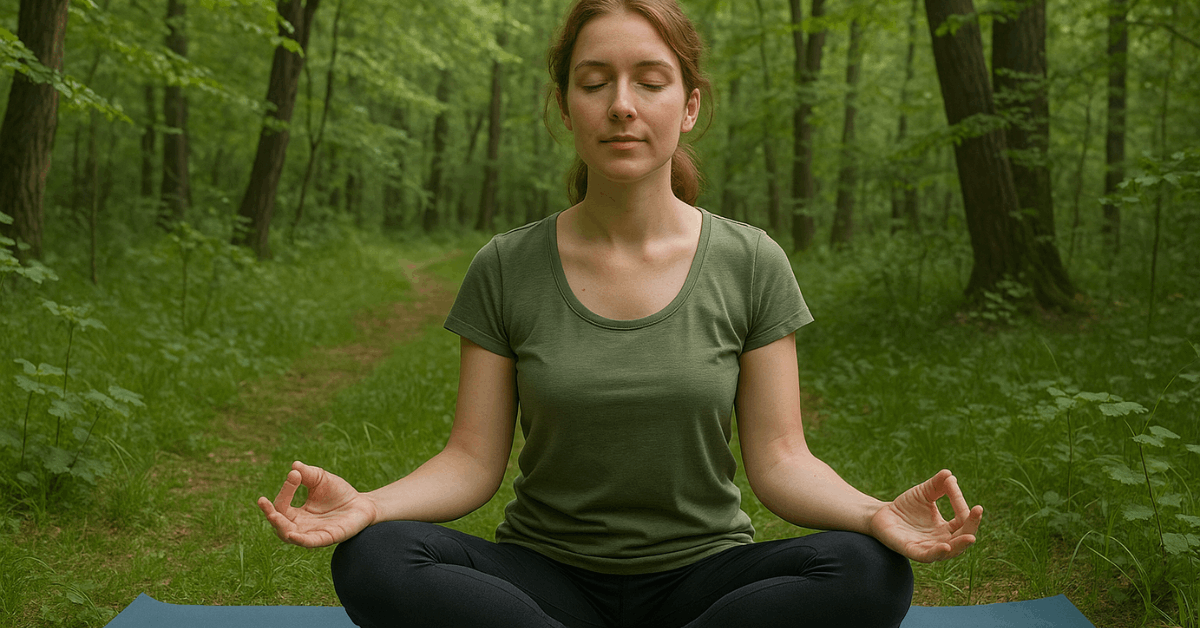
Understanding the benefits helps you stay motivated and consistent. offer noticeable changes when practiced daily. They affect your focus, emotions, and physical well-being in positive ways.
- Better Focus and Attention: You'll stay more present and make fewer mistakes during tasks.
- Emotional Regulation: You respond to stress with clarity, not reaction.
- Improved Sleep: Practicing daily helps calm your nervous system at night.
- Lower Stress and Anxiety: Meditation lowers cortisol levels and helps you feel more stable.
- Heart and Brain Health: Your blood pressure and heart rate stay balanced, and your brain strengthens.
- Long-Term Wellbeing: Over time, you're more resilient and better equipped for daily challenges.
Starting Out With the Right Tools
Getting started doesn't require anything complicated. You just need a quiet spot and a few minutes. Apps like Headspace guide you through the first steps and help you stay consistent.
You’ll learn how to sit, breathe, and focus. Headspace offers short, guided sessions that are perfect for beginners. You can start with their 3- or 5-minute meditations.
They also provide themed courses on stress, sleep, and focus. These tools remove the guesswork from your practice.
Daily Mindfulness Habits That Work
Start with small habits that fit into your day naturally. can be inserted into ordinary tasks. You don’t need to carve out extra time if you know where to look. These micro-practices still make a big difference.
- Morning Breathing: Right after waking up, take 3 slow breaths before getting out of bed.
- Mindful Eating: Focus on the flavor and texture of your food during one meal.
- Mindful Commuting: Turn off distractions and focus on your breath while commuting.
- Mindful Walking: Feel each step during a short walk and pay attention to your posture.
These activities help anchor your mind. They also teach your brain to return to the present moment. Doing just one of these per day makes a difference. Over time, they become second nature.
Simple Meditation Techniques to Try
Choose techniques that are easy to follow and repeat. don’t require silence or full stillness. With the right method, you can meditate even in a noisy space. Headspace provides a great starting point.
- Focused Breathing: Inhale for 4 seconds, hold for 2, and exhale for 6 seconds.
- Body Scan: Mentally check in with each part of your body from head to toe.
- Noting Practice: When a thought arises, mentally label it as "thinking" and return to your breath.
- Visualization: Picture a calm place and breathe slowly while imagining it.
These techniques require no equipment and can be done in less than 10 minutes. Try them in the morning, during lunch, or before bed. Use the one that feels most natural to you. Consistency matters more than duration.
Fit It Into Your Routine With Intention
The easiest way to stay consistent is to pair mindfulness with an existing habit. won’t happen by accident. You need a plan, even if it’s simple. Just a few minutes a day is enough to build a habit.
- Here are ways to slot meditation into your day:
- Do it after brushing your teeth.
- Use Headspace reminders at a specific time daily.
- Set a recurring 5-minute event on your calendar.
- Keep a journal nearby to note when you’ve completed it.
Structure turns good intentions into action. Pick a time and protect it like any other appointment. Don’t wait for the perfect moment. Done is better than perfect.
Staying Motivated When Life Gets Busy
Everyone misses a day occasionally, and that’s okay. are forgiving practices. It’s more important to restart than to be perfect. Build systems that keep you going.
- Use the streak feature on Headspace to stay motivated.
- Join a challenge or invite a friend to start with you.
- Reward yourself after seven consecutive days.
- Listen to short mindfulness podcasts for inspiration.
Momentum builds with small wins. When motivation drops, lower the bar. Even 60 seconds counts. What matters is that you return to the practice.
Apply It at Work or School
You can stay grounded even during stressful situations. aren’t only for quiet spaces. They work well during meetings, commutes, or study breaks. Use them to reset and refocus.
- Pause for 3 deep breaths before answering emails.
- Do a short body scan before your next call.
- Close your eyes and breathe deeply after lunch.
- Set a "mindfulness break" alert on your phone.
These moments help you stay calm and alert. Over time, they reduce burnout. You’ll make better decisions and communicate more clearly. Even your posture will improve with practice.
Get Others Involved - Optional, but Effective
Sometimes it helps to practice together. can be more fun when shared. While not necessary, it boosts your accountability. You’ll also get fresh perspectives.
Invite a friend to use Headspace with you. Schedule weekly check-ins or group sessions. Share articles or podcast episodes to stay inspired. Consider using family time for a short breathing exercise.
When others join, the habit becomes part of your environment. This makes it easier to continue. You’ll also strengthen your relationships. Everyone benefits from a more present mindset.
Avoid These Common Mistakes
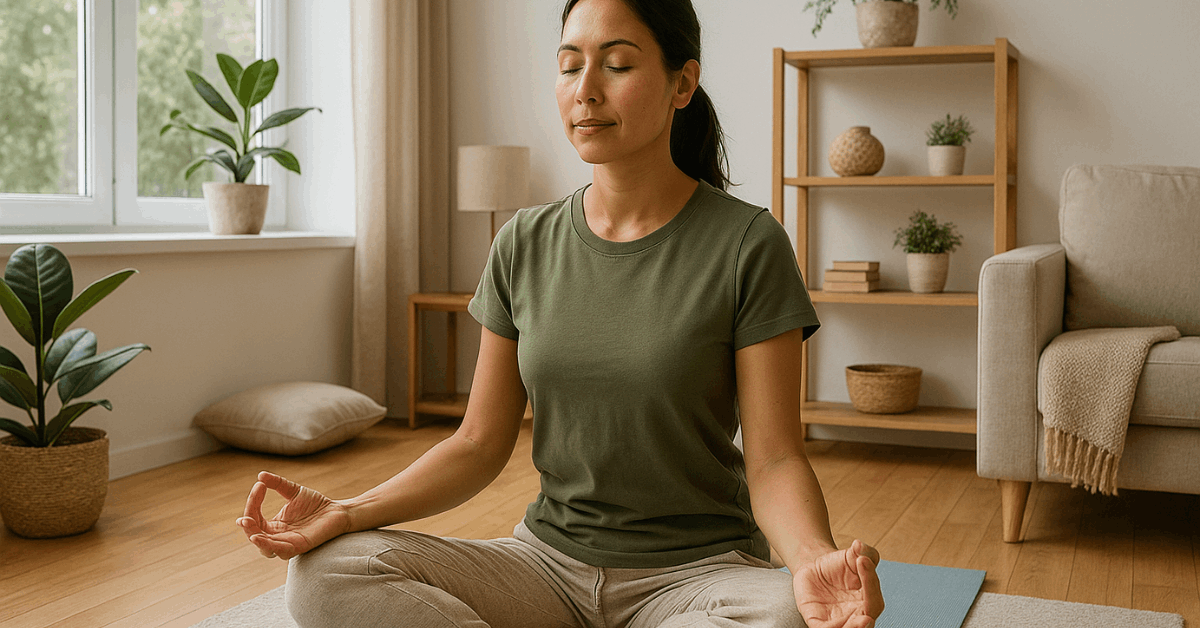
Most people give up too early or expect instant results. don’t solve problems overnight. They improve how you respond to them. Avoid these typical traps.
- Don’t worry if your mind wanders. That’s normal.
- Don’t aim for silence. Aim for awareness.
- Don’t force long sessions. Start small and build.
- Don’t compare your progress to others.
Perfection is not the goal. Attention and presence are. Every time you return to the breath, you’re doing it right. Keep showing up.
Final Tips to Make It Stick
When you’ve built a foundation, you can go deeper. grow with time. Use variety to keep your practice fresh. These strategies help you stay engaged.
- Explore themed meditations in Headspace (focus, anger, forgiveness).
- Try meditating outdoors in the morning sun.
- Add calming background sounds if total silence is hard.
- Reflect briefly on how you feel after each session.
You’ll learn what works for you through practice. Your routine will evolve as your needs change. Stay open to experimenting. That’s how you build a habit that lasts.
Start Now, Stay Present
You can begin practicing mindfulness and meditation today with just a few minutes. These tools help you stay calm, focused, and better equipped to handle stress.
Using apps like Headspace makes the process easier. Commit to small actions daily, and you’ll notice a real shift in your clarity and well-being.