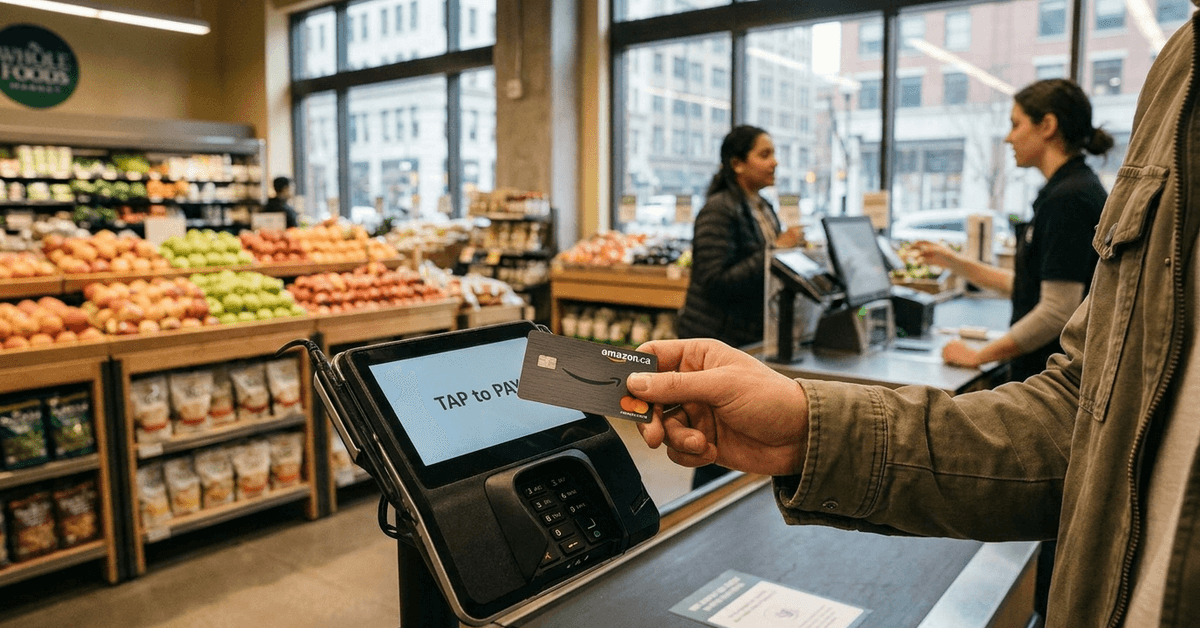
The Supplemental Nutrition Assistance Program (SNAP) is the main food assistance benefit in the United States. SNAP helps millions access nutritious options each month.
This guide is for anyone who wants to understand SNAP. The information can support applicants, families, or social workers seeking step-by-step answers.
What Is the SNAP Food Assistance Program?
SNAP is a federal benefit administered regionally by states. Some may know it as food stamps. SNAP can help families with tight budgets afford healthy groceries.
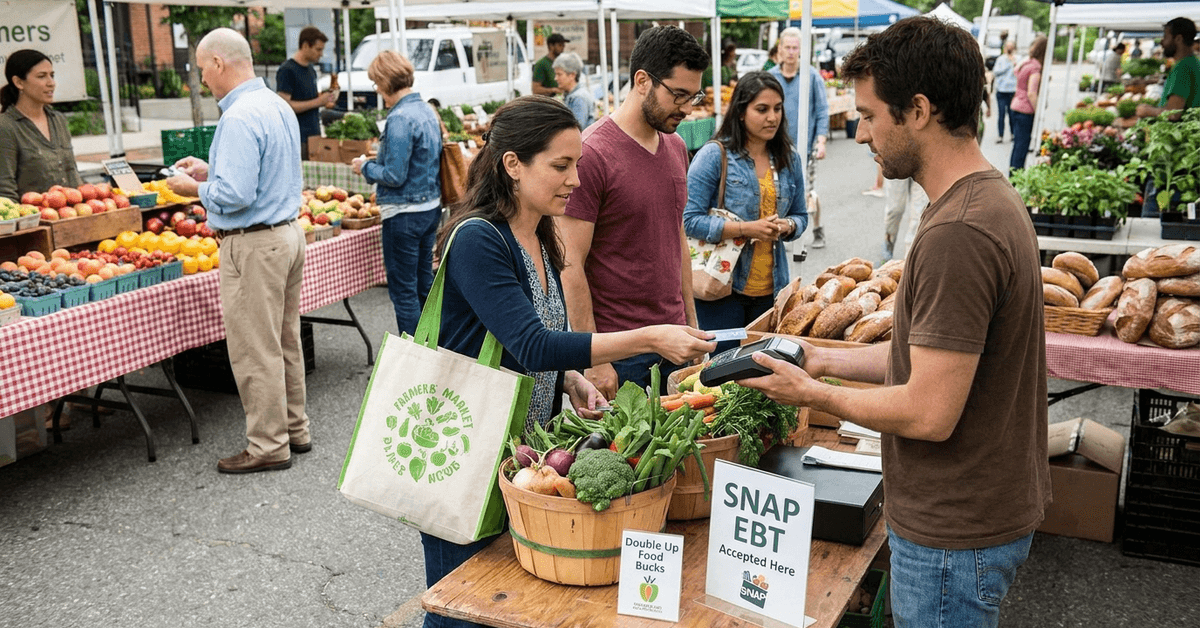
After approval, monthly benefits are loaded onto an EBT card. This Electronic Benefit Transfer card can be used at most grocery stores, supermarkets, and some farmers markets.
Who Qualifies for SNAP? Understanding Eligibility
Understanding SNAP eligibility requirements helps individuals determine whether they qualify for food assistance. Reviewing income limits, household size, residency rules, and financial criteria can simplify the application process.
Basic Eligibility Requirements
Most applicants must meet three main eligibility factors: income, citizenship, and resource limits. States may have slight local variations.
- Income: Household gross income is compared to current Federal Poverty Guidelines. Monthly and yearly thresholds differ by family size.
- Citizenship: U.S. citizenship or certain legal residency is required. Some categories of immigrants may have restrictions.
- Resources: Bank accounts, cash, and select property are counted. Most households must stay under $2,750 in assets. Seniors and people with disabilities may have a $4,250 limit.
Special Situations
College students, seniors, and people with disabilities face different rules. Some states adjust these rules to target local needs.
- Students might qualify if working enough hours or enrolled in specific programs.
- Seniors may skip some resource tests if they already receive Supplemental Security Income (SSI).
- Households facing homelessness can often get expedited access.
State-by-State Variations
Each state runs its own program website and application portal. For instance, California CalFresh manages local SNAP, while in Texas, the system is called Your Texas Benefits.
How Does SNAP Calculate Monthly Benefits?
Understanding how SNAP monthly benefits are calculated helps households estimate potential food assistance. Benefit amounts depend on household size, countable income, and eligible deductions, subject to program limits.
Determining Your Benefit Amount
The actual SNAP benefit depends on household income, size, and eligible expenses. Each year, USDA sets the maximum allotment for each household size.
- A single person in New York might get about $291 per month (2024). A family of four may see more than $900, though deductions often apply.
- Allowable deductions (like child care costs, rent, or medical expenses) can increase the monthly benefit for some households.
Benefit Issuance and EBT Cards
Once approved, benefits are hidden electronically on an EBT card. Issuance days differ—Ohio might reload on the first of the month, but Georgia may use birth dates to stagger reloads.
Using SNAP Benefits at Stores
EBT is accepted at many retail chains and grocery stores. Examples include Walmart, Kroger, Safeway, and regional options like H-E-B or Publix.
- Some farmers markets allow EBT cards. Select states also offer “double-up” programs for farmers market shopping.
What Can You Buy with SNAP Benefits?
Understanding SNAP-eligible purchases helps households make the most of their food assistance benefits. Knowing which groceries and food items are allowed supports smarter shopping and helps avoid ineligible purchases.
Eligible Food Items
Most staple groceries are SNAP-eligible. This includes:
- Breads and cereals
- Fruits and vegetables
- Meat, fish, and poultry
- Dairy products
- Seeds and plants to grow food at home
Items Not Allowed
Hot prepared foods, vitamins, medicines, alcohol, and tobacco are never SNAP-eligible. Nonfood items like soap or pet food are also excluded.
How to Apply for SNAP Benefits: A Step-by-Step Guide
Applying for SNAP benefits involves checking eligibility, gathering required documents, and submitting an application through your state’s official channels.
Following this step-by-step guide can help applicants avoid common mistakes and navigate the process more efficiently.
Step 1: Gather Required Documents
Preparing the necessary documents beforehand helps simplify your SNAP application. Having accurate identification, income records, and household information prevents unnecessary delays.
- Proof of identity (driver’s license, passport, or other government ID)
- Proof of residency (utility bills, lease agreement, or similar)
- Documentation for household income (pay stubs, unemployment letters, Social Security statements)
- Information on assets and expenses (bank statements, rent receipts, child care bills)
Step 2: Find Your State’s SNAP Office or Portal
Locating your state’s official SNAP office helps you access reliable application instructions, eligibility information, and available submission methods for your area.
- Each state offers its own application. U.S. residents can start online at the official USDA SNAP map or state portals like ACCESS Florida, Colorado PEAK, or Michigan Bridges.
- Most allow mailing, in-person visits, or phone interviews to apply if online access is an issue.
Step 3: Complete and Submit Your Application
Carefully fill out the forms with accurate information for all household members. Rushing here can lead to delays or issues.
- Read instructions closely. Each state may ask for extra documents or forms.
Step 4: Attend Your SNAP Interview
Interviews are usually required, either by phone or in person. The caseworker will review your situation, ask follow-up questions, and explain next steps.
- Many applicants find interviews quick if their documents are all set in advance.
Step 5: Get a Decision and EBT Card
Once approved, a decision notice details your benefit amount and schedule. Your EBT card arrives by mail or is picked up at a local office, depending on state policy.
Useful Apps and Tools for SNAP Recipients
Using reliable digital tools can help SNAP recipients manage benefits, locate participating stores, and plan grocery purchases. These resources support easier shopping.
Managing EBT Balance
Monitoring your EBT balance helps you track available benefits and plan grocery expenses. Mobile apps and official state portals simplify account management.
- Fresh EBT app lets users check balances, get reminders, and find SNAP-eligible coupons.
- Mobile portals from each state (often linked from the main SNAP website) allow you to manage card status or benefit schedules.
Finding SNAP Retailers Near You
Finding SNAP-authorized retailers makes grocery shopping more convenient and accessible. Online store locators and shopping apps help identify nearby locations accepting EBT payments.
- USDA’s SNAP Retailer Locator: Enter your address to find EBT-accepting stores nearby.
- Store-specific apps, like Walmart Grocery or Instacart, sometimes show which locations take EBT.
Common Challenges and Troubleshooting
Understanding common SNAP challenges helps recipients address application delays, EBT card issues, and benefit discrepancies. Following practical troubleshooting tips can simplify problem-solving and ensure smoother access to assistance.
Delays in Processing
Heavy caseloads or missing paperwork often cause processing delays. Staying organized can help.
- Applicants who call their state SNAP hotline after 10–14 days often see reviews move faster.
Address Changes or Moving States
Moving can complicate SNAP use. Benefits generally do not transfer directly between states, so a new application is typically needed in your new location.
- Notify your local office before leaving to avoid duplicate benefit issues.
Benefit Reduction or Termination
If income or household status changes, SNAP benefits may be reduced or stopped. Reapplying or appealing is possible if you still qualify.
Frequently Asked Questions About SNAP
Understanding frequently asked questions about SNAP helps applicants and recipients clarify eligibility, benefit amounts, and program requirements. These answers provide helpful guidance for managing benefits and avoiding common misunderstandings.
- Can immigrants receive SNAP? Some can, but rules are complex. Lawful permanent residents may qualify after a waiting period. Others may need additional documentation.
- How soon are benefits available for emergencies? Expedited SNAP (sometimes known as emergency food stamps) is possible for many applicants in crisis. States process these within 7 days.
- Do SNAP benefits roll over? Unused balance at the end of each month rolls over to the next month, but regular use is encouraged.
Conclusion
SNAP remains a vital support for families and individuals navigating difficult times. The program can ease the burden of food insecurity, especially in high-cost cities like Los Angeles, Chicago, or Atlanta.
Understanding application requirements, eligible foods, and how to use your EBT card empowers each recipient. Taking time to organize documents and follow the steps carefully improves success odds.
Access to healthy food is a basic right. For those who qualify, SNAP can offer practical relief and a way to nourish yourself or your family with dignity and confidence.