
Electric and autonomous cars are changing how we move and travel. These technologies support a cleaner and smarter transportation shift.
In this article, you'll explore how they work, their benefits, and the challenges involved. This understanding prepares you for changes coming to both public and personal transport.
What Are Electric Vehicles - EVs?
Electric vehicles are becoming the standard for cleaner transportation systems. The core of electric and autonomous cars relies on electricity and smart onboard systems to replace traditional combustion engines.
BEVs use electricity as their sole power source and have no gasoline engine. They operate with an electric motor, an inverter, and a large-capacity battery.
These vehicles are quiet, emission-free, and efficient for daily commuting. Popular models include the Tesla Model 3 and Nissan Leaf.
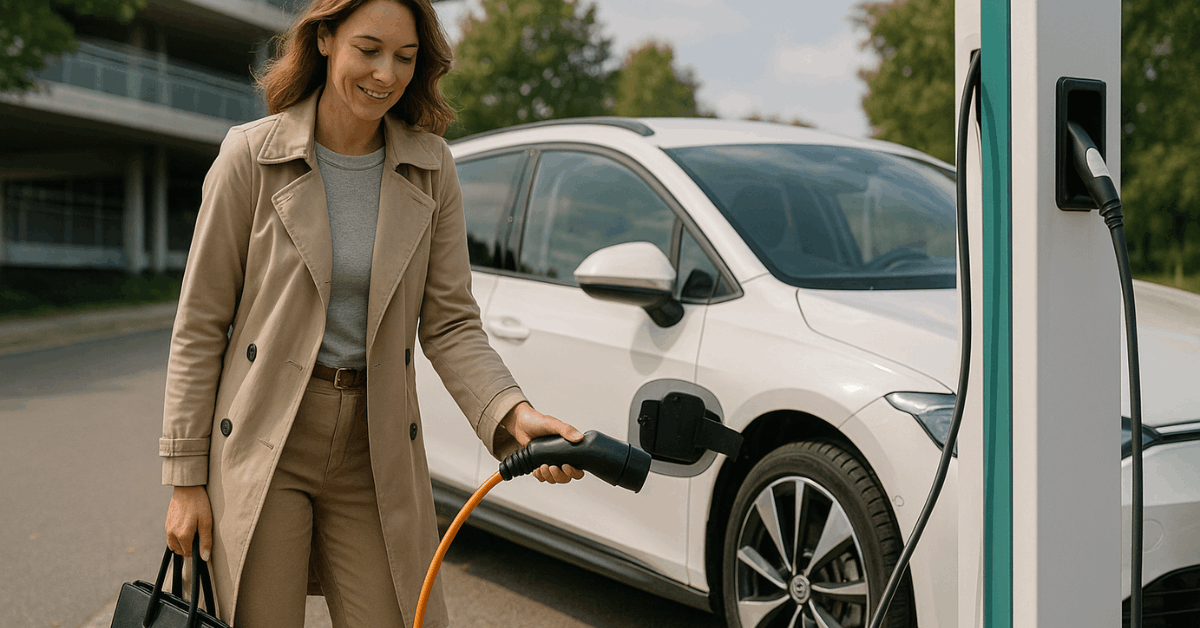
Battery Electric Vehicles - BEVs
BEVs are powered only by electricity stored in high-capacity batteries. These vehicles emit no exhaust and rely entirely on electric motors.
They must be plugged in to recharge and often feature regenerative braking. Most BEVs are designed for efficiency and city driving.
Drivers benefit from quiet rides and lower fuel costs. Tesla and Nissan lead the current BEV market.
Plug-in Hybrid Electric Vehicles - PHEVs
PHEVs combine a traditional engine with a rechargeable battery. They can operate in electric-only mode for short trips.
Once the battery depletes, the vehicle switches to gasoline power. This flexibility eases concerns about driving range.
It offers a transition option for users new to EVs. Toyota Prius Prime is a well-known PHEV.
Key Components of EVs
Electric vehicles consist of several critical systems. Main parts include the electric motor, lithium-ion battery, and inverter unit.
These replace the engine, fuel tank, and transmission found in gasoline cars. Charging ports allow energy transfer directly from the grid.
Onboard software manages power usage and efficiency. Combined, these features deliver an eco-friendly drive.
Benefits of Electric Vehicles
Electric vehicles bring practical and financial advantages to individuals and society. Below are key benefits of electric and autonomous cars that support long-term sustainability and cost savings:
- Zero tailpipe emissions help reduce air pollution and improve urban air quality.
- Higher energy efficiency means EVs convert more power into movement than gasoline vehicles.
- Lower fuel and maintenance costs benefit drivers over the vehicle's lifespan.
- Government incentives like tax credits and rebates make EV ownership more accessible.
- Quieter operation reduces noise pollution in cities and neighborhoods.
- Support for climate goals by decreasing reliance on fossil fuels and lowering carbon footprints.
Challenges Facing Electric Vehicles
Despite the benefits, EVs still face some barriers. One major issue with electric and autonomous cars is battery performance and range.
Some users worry about running out of charge before reaching their destination. Charging infrastructure is also limited in many regions.
The high cost of EVs can be a concern, although prices are dropping. Battery production also raises environmental and ethical issues due to resource extraction.
What Are Autonomous Vehicles - AVs?
Autonomous vehicles are designed to operate without direct human input. The development involves advanced sensors and artificial intelligence.
AVs rely on LiDAR, cameras, GPS, and machine learning to perceive their surroundings. Their goal is to navigate safely without human control.
The Society of Automotive Engineers defines autonomy in six levels, from Level 0 (no automation) to Level 5 (full automation). Most current AVs, like those from Waymo or Tesla, operate at Level 2 or 3.
Benefits of Autonomous Vehicles
Autonomous vehicles are expected to improve safety and convenience on the roads. Below are the main benefits powered by self-driving technologies:
- Enhanced road safety through strict adherence to traffic rules and elimination of human error.
- Reduced traffic congestion with smarter route optimization and coordinated vehicle flow.
- Improved mobility access for elderly individuals and people with disabilities.
- Increased productivity as passengers can use travel time to rest or work.
- Lower accident-related costs due to fewer crashes and less need for emergency responses.
- Greater travel comfort with smoother rides and less stress for drivers and passengers.
Challenges for Autonomous Vehicles
Many challenges must be solved before AVs become mainstream. A major hurdle for electric and autonomous cars is unpredictable road conditions.
Weather, complex urban environments, and unexpected events still confuse some systems. AVs must be nearly perfect to gain public trust.
There are also regulatory gaps in many countries. Who is liable in a crash—driver or manufacturer—is still unclear.
Integration of EV and AV Technologies
Electric and autonomous cars are often combined in one vehicle. These technologies complement each other and work well together.
AVs run best on clean, quiet electric power because they need less mechanical complexity. This also helps reduce pollution in urban environments.
Smart cities are starting to prepare for connected vehicle systems. These cars use vehicle-to-everything (V2X) communication to interact with infrastructure.
Infrastructure and Policy Requirements
Modern transportation needs modern support systems. For electric and autonomous cars to thrive, strong infrastructure is essential.
Cities need more charging stations, 5G networks, and smart traffic signals. This takes investment from both public and private sectors.
Governments must also update traffic laws and safety standards. Urban planning will need to include more ride-share zones and fewer parking lots.
Global Trends and Adoption
Adoption rates vary across countries and regions. Some nations are leading the shift to this type of car. Norway, for example, has a high EV ownership rate thanks to strong incentives.
China is also investing heavily in AV trials and EV production. Consumer acceptance is rising, but slowly.
Public transit systems are also testing AV buses in cities like Singapore and San Francisco.
The Role of Artificial Intelligence and Big Data
AI is the brain behind autonomous vehicles. In electric and autonomous cars, machine learning handles perception, prediction, and control.
These systems process real-time data from sensors to make driving decisions. They also learn over time and adapt to new situations.
Big data helps optimize performance and efficiency. AVs share data with cloud platforms to improve maps and navigation.
Economic and Employment Impacts
The transition affects workers and industries. The rise of these reshapes jobs in the auto manufacturing, logistics, and energy sectors.
EVs need fewer mechanical parts, which means fewer traditional auto jobs. At the same time, new jobs in software, AI, and battery tech are growing.
Delivery services, ride-sharing, and freight could shift to AV models. This may cut labor costs but also requires reskilling.
Environmental Impact and Sustainability
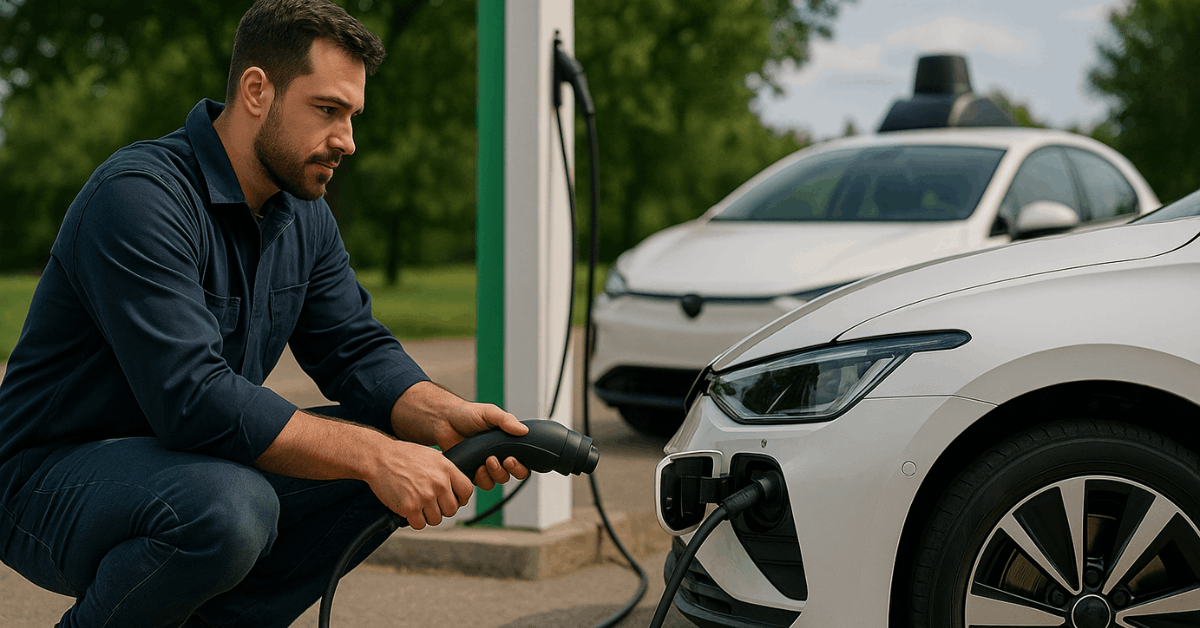
Transportation is a major source of emissions. Electric and autonomous cars aim to reduce this through cleaner energy and better efficiency.
EVs produce no tailpipe emissions, especially when powered by renewables. This helps meet climate targets and improve public health.
Battery recycling and responsible sourcing are ongoing challenges. Sustainable practices in manufacturing and disposal are critical.
What the Future Holds?
Mobility is rapidly evolving. The future these cars includes more shared, connected, and efficient travel.
Fully autonomous taxis and freight vehicles may become common in the next decade. Urban areas will adapt with fewer car owners and more service-based mobility.
Global cooperation will be key to solving technical, legal, and ethical issues. Consumers will also play a role by choosing sustainable and smart options.
Final Words: Embracing the Shift to Intelligent Transportation
Electric and autonomous cars are changing how people move every day. These technologies offer cleaner air, greater safety, and more efficient travel.
Progress continues despite challenges, driven by innovation. Being informed helps you engage in this transportation shift.