Social media is part of your daily routine. The impact of mental health and social media is becoming more visible.
This connection can influence how you feel and act. You’ll learn how to manage it wisely.
Understanding the Link Between Social Media and Mental Health
Social media isn’t just a tool for communication—it’s a powerful force that affects your emotional state. Researchers have linked increased screen time to mental health issues like anxiety and depression.
You might find yourself comparing your life to others or feeling pressure to respond constantly. These platforms are built to keep your attention, even if it causes emotional exhaustion.
Studies show that higher usage correlates with loneliness and low self-worth. You should recognize the psychological effects of prolonged exposure.
The Good Side of Social Media Use
Not all social media use is harmful—some of it supports your well-being. When used wisely, platforms can connect you to loved ones and build community.
You can also find mental health resources, support groups, and motivational content. Sharing your struggles may reduce stigma and help others relate.
Many users gain confidence and support through positive content. Choose to engage in ways that make you feel uplifted and seen.
Harmful Effects You Need to Watch
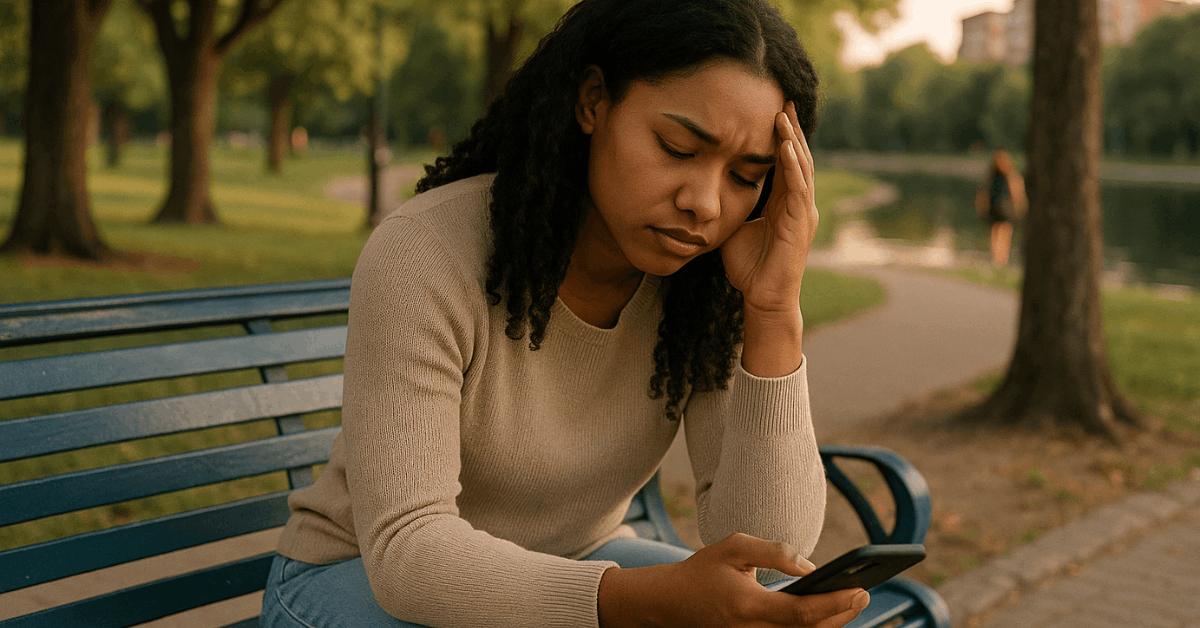
Social media can trigger harmful thought patterns and stress. You may start comparing your body, lifestyle, or success to unrealistic portrayals online.
Cyberbullying, hate speech, and harassment are common and leave emotional scars. Fear of missing out (FOMO) may increase anxiety or make you feel disconnected from others.
Poor sleep is often linked to late-night scrolling or blue light exposure. These habits build up and quietly drain your mental energy.
Warning Signs: When Social Media Becomes a Problem
Sometimes, social media starts controlling you without you noticing. Watch for mood swings after scrolling or checking likes.
Feeling uneasy when offline is another warning sign. If you’re less productive, more distracted, or avoid real conversations, take note.
Constant need for validation through likes may suggest deeper emotional needs. Recognizing these signs early helps you regain control.
Tips for Building Healthy Habits Online
Small changes help you take control of your social media use. Start by focusing on what you can manage daily.
- Track your screen time and set daily or weekly limits.
- Mute or unfollow negative accounts that affect your mood.
- Prioritize positive content that promotes learning or encouragement.
- Avoid letting scrolling replace your hobbies or rest.
- Log off at a set time to create boundaries and improve sleep.
Useful Tools and App Features to Try
Apps offer built-in controls to support your mental health. You can access screen time settings on iPhones, Androids, Instagram, and TikTok.
These allow you to limit usage or receive alerts when time limits are reached. Try enabling "Do Not Disturb" modes during meals or rest periods.
Use content filters to reduce exposure to harmful or graphic posts. Several third-party apps also help you manage digital wellness.
When It’s Time for a Digital Detox?
Taking a break can reset your emotional balance. If you constantly feel tired, unmotivated, or overwhelmed, a detox may help. A short break of 1 to 3 days can already make a difference.
You’ll become more aware of habits and dependencies while offline. Replace scrolling time with reading, exercise, or hobbies. Gradually reintroduce platforms only when you feel in control again.
Ways to Use Social Media in Positive Ways
You can use social media to support your emotional well-being. Start by being intentional about what you follow and share.
- Follow pages that focus on mental health education and self-care tips.
- Join support communities that talk about recovery and healing.
- Post authentically instead of seeking attention or likes.
- Use videos or stories to document personal growth.
- Make comments and content that reflect your real values.
How to Talk About Social Media Boundaries with Others?
Conversations about social media habits are necessary but often ignored. You might notice a friend or relative using platforms in a harmful way.
Talk to them calmly about your observations without judgment. Suggest taking breaks or using tools together to reduce stress.
Share your own experience to build trust and understanding. Encouraging others to rethink their habits creates healthier spaces for all.
Why Teens Are More Affected Than Adults?
Teens are still forming identity and rely heavily on peer approval. Excessive time online can impact self-image, confidence, and emotional growth.
Online bullying or exclusion can have long-term psychological consequences. Parental limits and communication help reduce negative exposure.
Teens need digital boundaries and healthy offline alternatives. Schools should also play a role in digital education.
What Role Mental Health Experts Play Online?
Mental health professionals now use social media to raise awareness. You’ll find licensed therapists sharing tips, facts, and coping methods.
However, not all online advice is trustworthy or backed by science. Be careful with influencers claiming to offer therapy without credentials.
Look for professionals linked to real clinics or organizations. Use social media to discover support, not replace professional help.
How Social Media Affects Cultures Differently?
Social media affects users differently across the globe. Culture, age, and values shape how people engage with it.
- Some cultures avoid discussing mental health, limiting online sharing.
- Others use social platforms to speak openly about emotional struggles.
- Trends in content reflect local values, stressors, and social norms.
- Reactions to posts differ based on cultural understanding and sensitivity.
- Users need tailored strategies that align with their environment and community.
What’s Next for Mental Health and Social Media?
Big tech companies are slowly adding tools for healthier use. Expect more screen time insights, emotion tracking, and content filtering soon.
Digital well-being is becoming a common feature in app updates. Governments may push for stronger regulation and mental health education.
Education on digital literacy will become a key skill for younger generations. A more balanced future depends on changes from users and platforms alike.
Final Thoughts: Start Managing Your Digital Habits Today
Balancing mental health and social media requires awareness and small consistent actions. Your daily choices matter more than you think.
Stay connected—but not consumed—by digital life. Start today by taking one step toward a healthier relationship with your screen.